
Idaho’s Unsung Rescue Heroes: Cassie Frary and the Work That Comes After Rescue
Meet Cassie Frary of Snake River Four Paws in Lewiston, Idaho, and discover the often-unseen work of helping rescue dogs heal, learn, and find their way forward.
Download PDF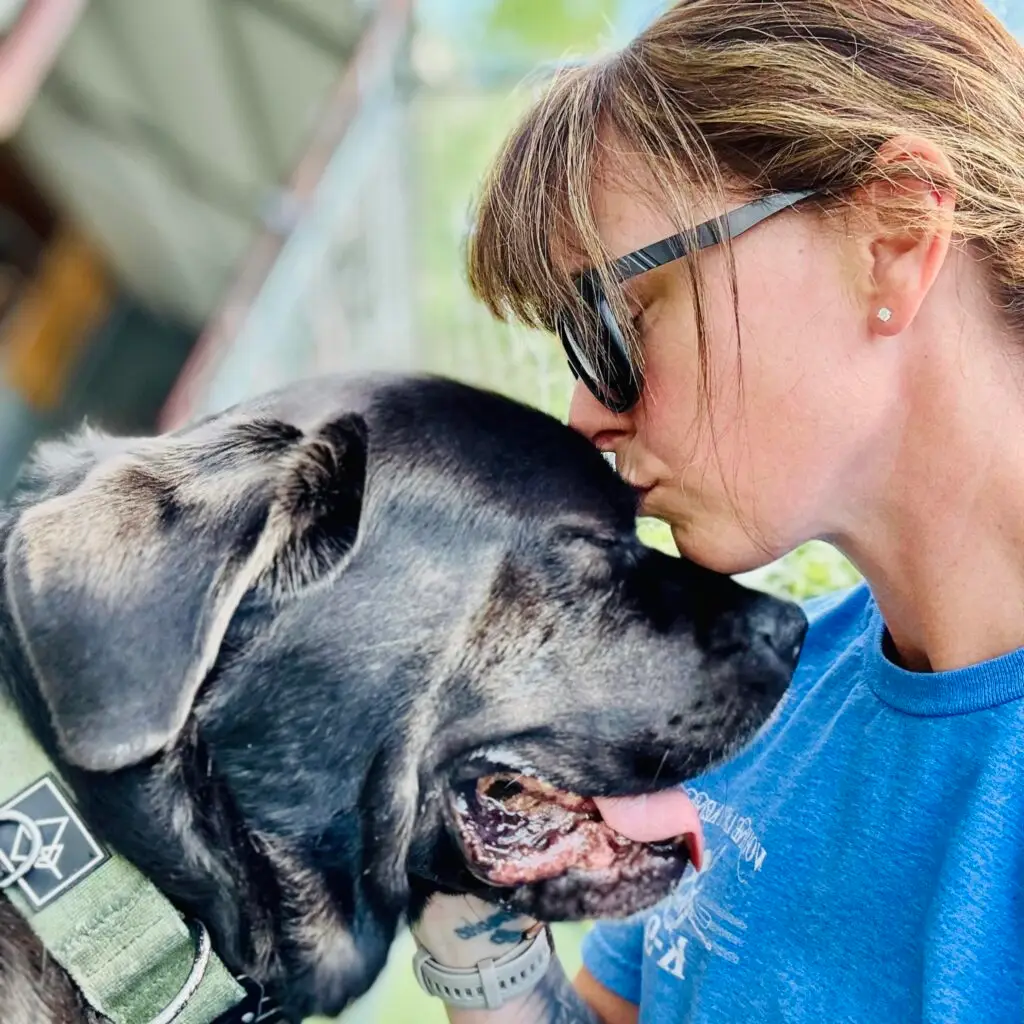
Behind every rescue story are people whose names rarely make the headlines. For our first Idaho’s Unsung Rescue Heroes feature, we’re introducing someone who has helped countless dogs navigate one of the hardest parts of rescue: learning how to live beyond what they’ve survived.
When an animal is rescued from neglect, abuse, or a dangerous situation, there’s often an outpouring of attention. People follow the rescue, celebrate the animal’s first safe night, and cheer when they see photos of a dog finally enjoying a comfortable bed or a little freedom.
But what happens after that?
For some dogs, the transition is fairly straightforward. For others, getting them out of a bad situation is only the beginning. They may have never lived inside a home, learned to trust people, or experienced the kind of routine most family pets take for granted. Some arrive frightened and withdrawn. Others are reactive, overstimulated, or struggling with behaviors that aren’t always easy to understand.
That’s where people like Cassie Frary come in.
Cassie is the owner of Snake River Four Paws, a dog training, daycare, and boarding facility in Lewiston, Idaho, and is also behind the Four Paws Foundation, which focuses on therapy dogs. Over the years, she’s worn just about every hat in rescue: trainer, evaluator, foster, adopter, volunteer, and advocate.
She’s also someone Idaho Animal Rescue Network has turned to when a dog needed more than we could provide through traditional foster care. We’ve seen firsthand how valuable it is to have someone willing to look beyond a dog’s initial behavior, ask difficult questions, and help us understand what that dog actually needs.
So when we decided to launch a series recognizing Idaho’s unsung rescue heroes, Cassie was an easy choice.
We sent her an admittedly ridiculous number of interview questions. Forty-four, to be exact. And she answered every single one. 😂
What came through in those responses wasn’t just her experience with dogs. It was her understanding of how complicated rescue can be, how much we sometimes expect from animals who have already been through so much, and why a successful outcome isn’t always the picture-perfect ending people imagine.
Understanding the Dog Behind the Behavior
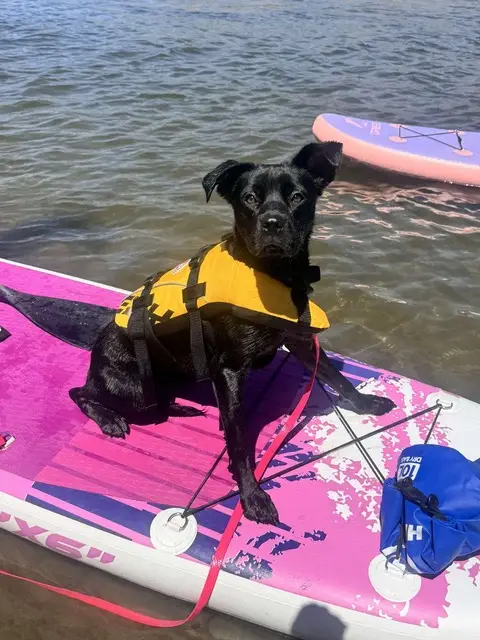
Cassie’s connection with animals began long before she became a professional trainer. She grew up surrounded by dogs and cats, became involved with horses at just five years old, and eventually spent years owning and competing with them.
That lifelong involvement with animals gave her a foundation for the work she does today, but rescue dogs have presented an entirely different set of challenges.
“Rescue animals most often come from traumatic experiences. The behavioral aspect to that background is unique to all other behaviors. It’s often difficult, heartbreaking and takes an extreme level of patience and understanding.”
One of the most common problems she encounters is the way people interpret a dog’s behavior, particularly when fear or uncertainty is involved.
A dog who lunges, barks, guards an object, or reacts strongly to an unfamiliar situation may quickly be labeled aggressive. But that label doesn’t necessarily explain what’s happening.
“Nearly 100% of dogs I work with that are brought to me for ‘aggression’ are actually a lack of confidence or fear of things the dog knows nothing about.”
That’s Cassie’s experience with the dogs referred to her, and it’s an important reminder that behavior needs to be evaluated in context. A frightened dog, an overstimulated dog, and a dog displaying dangerous aggression may require very different approaches, even when their outward reactions look similar.
Cassie has worked with dogs whose behavior initially made them appear almost impossible to place. One of her current foster dogs is a perfect example. What had been interpreted as aggression turned out, through her assessment, to be an intense desire for play and interaction.
The dog had never learned how to play appropriately with people. Toys became possessions to guard rather than opportunities for shared activity, and the dog’s natural breed tendencies added another layer of intensity.
What looked like an uncontrollable dog was, in Cassie’s view, a dog who hadn’t been taught how to communicate and engage successfully.
That distinction can change everything about how a dog is handled, trained, and ultimately matched with a family.
It also illustrates why experience is so important in rescue. Not every behavioral problem can be solved with basic obedience training, and not every trainer has extensive experience working with dogs who have survived severe neglect or trauma.
Rescue Doesn’t Come With an Instant Happy Ending
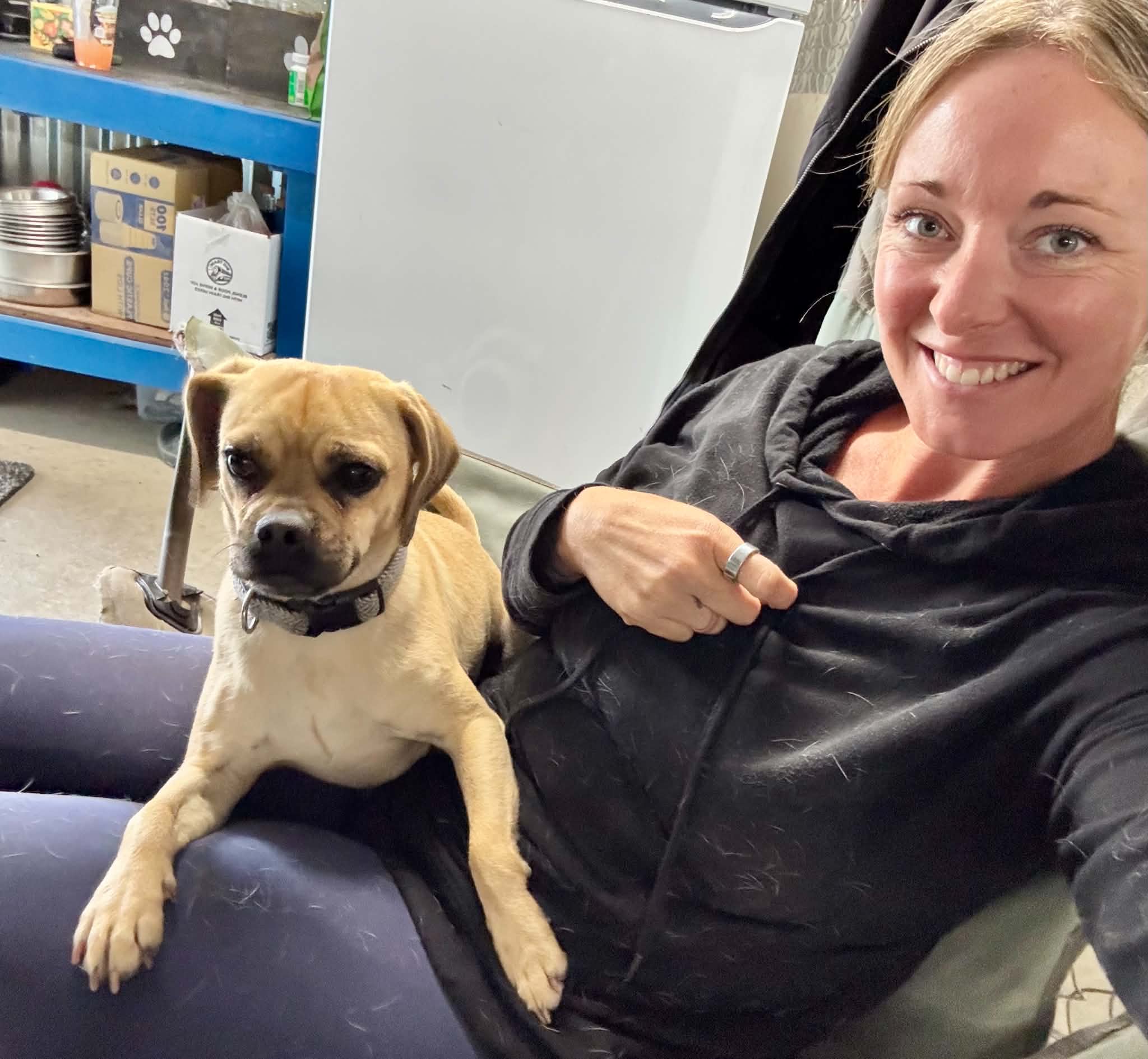
There’s a misconception Cassie would love to see disappear: the idea that adopting a rescue dog automatically makes everything better.
When asked about the biggest misconception surrounding rescue dogs, she didn’t hesitate: “That because you adopted them, all will automatically be great.”
It’s something we see in rescue, too. People fall in love with a dog’s story, want to give that animal a wonderful life, and understandably imagine how happy the dog will be once it gets home.
But the dog doesn’t necessarily understand what’s happening.
Everything familiar may have disappeared overnight. There’s a new home, new people, new smells, unfamiliar routines, and expectations the dog has never encountered.
Cassie often asks adopters to imagine being taken from everything they know and placed somewhere nobody speaks their language. They don’t know where to find food or water, how to communicate, or what will happen next. Then imagine being expected to relax, sleep normally, and behave perfectly.
It puts those first few weeks into perspective.
The popular 3-3-3 rule suggests dogs may need three days to decompress, three weeks to settle into a routine, and three months to feel at home. Cassie believes those timelines can give adopters unrealistic expectations.
“In my experience it’s more realistic to be prepared for the transition to take 6 solid months.”
Her recommendation is to spend the first four to six weeks allowing a dog to understand the household, establish a routine, and begin building a relationship with its new family. Even after that, the adjustment can continue for months, and new behaviors may appear as the dog becomes more comfortable.
For Cassie, the early focus should be on helping the dog feel secure and understand what is expected, not rushing into activities, introductions, and experiences simply because the adopter is excited to begin their new life together.
And when we asked for the single most important piece of advice she’d give someone adopting a rescue dog, her answer was simple: “Build a relationship with the dog above all else.”
Learning to Accept the Dog in Front of You
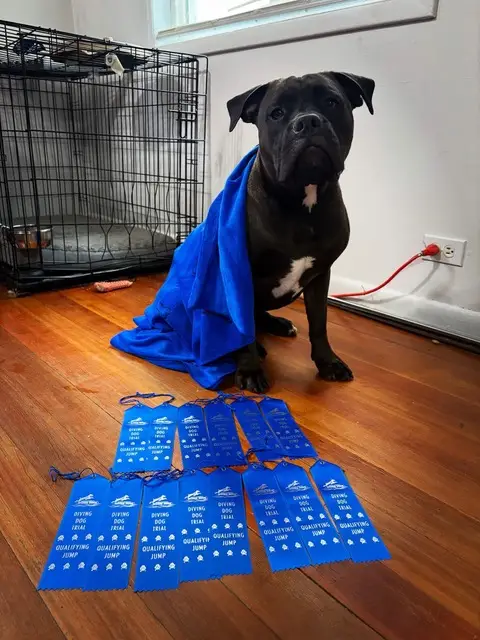
Another theme that came through repeatedly in our conversation was the importance of accepting dogs for who they are.
We often hear people describe the dog they want: one who loves everyone, enjoys dog parks, gets along with every animal, travels everywhere, and can comfortably participate in every family activity.
But not every dog wants that life.
Some dogs are naturally social. Others are selective. Some enjoy other dogs but have little interest in strangers. Others are happiest spending time with their own people and would prefer to skip the dog park entirely.
Cassie believes one of the biggest mistakes owners make is forcing social interactions because they think every dog should enjoy them.
“Dogs have the right to be who they are. Allowing the dog to not like others is OKAY!”
That doesn’t mean ignoring unsafe behavior or allowing a dog to react however it chooses. Cassie’s focus is on helping dogs remain calm and manageable around situations they don’t necessarily enjoy, without requiring them to interact.
She takes a similarly thoughtful approach to daycare and group play. Although she operates a daycare facility herself, she’s strongly opposed to unstructured or poorly supervised dog interactions. Dogs need to be evaluated, carefully matched, and monitored rather than simply placed together with the assumption that they’ll all become friends.
The same principle applies to adoption.
A dog who needs to be the only pet isn’t necessarily a bad dog. A dog who needs quiet mealtimes, careful introductions, or ongoing behavioral support isn’t automatically unadoptable.
Some dogs will always need accommodations, and Cassie doesn’t see that as failure.
“This is OKAY!!!! I repeat, OKAY! It doesn’t make them a bad dog, it makes them who they are.”
She has dogs of her own who require ongoing management and says they live happy, healthy lives.
Success, in her eyes, is finding a safe and realistic way for a dog and its family to enjoy life together, even if that looks different from what someone originally envisioned.
The Dogs Who Stay With You
With years of rescue experience come dogs whose stories are impossible to forget.
For Cassie, one of those dogs was Sitka.
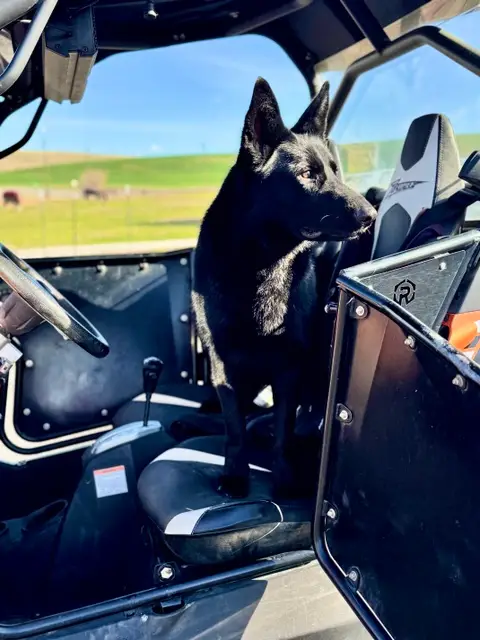
Sitka had earned a reputation as a runner, spending months evading people while living on her own. Yet by her second day with Cassie, she had formed an extraordinary connection.
Whether they were hiking, out in public, or simply spending time at home, Sitka stayed close.
“She was my shadow. That kind of connection will never be something I forget.”
Sitka eventually passed away from an untreatable medical condition, but the relationship they shared remains one of Cassie’s most treasured memories.
Another unforgettable dog is Freyja, who was in a Houston shelter and, according to Cassie, only minutes away from being euthanized.
Freyja’s intensity and behavior in the shelter had led to her being considered dangerous. But Cassie and others with experience saw potential beyond what the shelter environment was revealing.
Today, Freyja is a titled sport dog and a certified narcotics and tobacco detection dog. She’s able to work successfully in environments that once might have seemed impossible for her.
Then there’s Faye, a dog who initially arrived for training wearing a muzzle because of her severe reactions toward unfamiliar people.
Through behavioral work and the commitment of her family, Faye progressed to participating in dog sports and accompanying her people into public places while remaining relaxed.
These stories are encouraging, but Cassie is careful not to suggest that every dog can achieve the same transformation.
Some animals have complex behavioral or neurological challenges. Others may have experienced trauma so severe that their ability to cope remains limited despite extensive intervention. In rare cases, safety and quality-of-life concerns can lead to heartbreaking decisions, including behavioral euthanasia.
It’s a reality few people want to discuss, but it’s part of the responsibility that comes with working with vulnerable animals.
Cassie believes protecting the well-being of the dog, the people caring for it, and the community must always be part of those conversations.
Why the People Behind the Rescue Are So Important
At Idaho Animal Rescue Network, we’ve learned that getting a dog to safety is only one piece of the work.
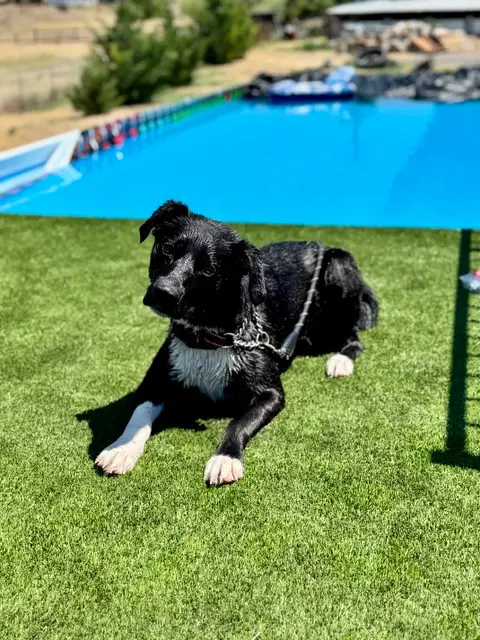
Sometimes a dog needs veterinary treatment. Sometimes it needs a patient foster home. And sometimes it needs someone who can recognize the difference between a behavior that can be improved through training, one that requires specialized support, and one that may need lifelong management.
Those evaluations can influence everything from a dog’s daily care to the kind of home we’re looking for. They also help us be more honest with potential adopters.
Cassie believes a successful adoption depends heavily on understanding what a particular dog will need over the long term. Choosing a dog based solely on appearance or an emotional connection to its rescue story can lead to a difficult situation when the reality of daily care sets in.
A high-energy dog needs a family prepared to provide physical activity and mental stimulation. A dog with significant fear or reactivity may need a quieter home and people willing to work with a professional. And a dog who struggles with other animals may be happiest as the only pet.
Good intentions alone aren’t always enough.
That’s one reason professional partnerships are so valuable to organizations like ours.
We’ve asked Cassie to help evaluate and work with IARN dogs whose needs weren’t immediately clear. Those aren’t always easy conversations, and we don’t always get the answers we hope for.
But when we asked her what makes a strong partnership between a rescue and a trainer or behavior specialist, she summed it up perfectly: “Full transparency and honesty.”
It’s difficult to make good decisions for an animal without both.
We need people who will tell us what they’re seeing, explain what might be possible, and be realistic about what a dog needs to succeed. We need people willing to help with the challenging cases, not just the easy ones.
And we need to recognize that much of this work happens quietly, without an audience.
The hours spent evaluating a dog, working through setbacks, helping a foster understand a behavior, or guiding an adopter through a difficult transition rarely make for the kind of dramatic rescue photos people share online.
But those hours can make the difference between an adoption that succeeds and one that doesn’t.
A Village That Doesn’t Always Get Recognized
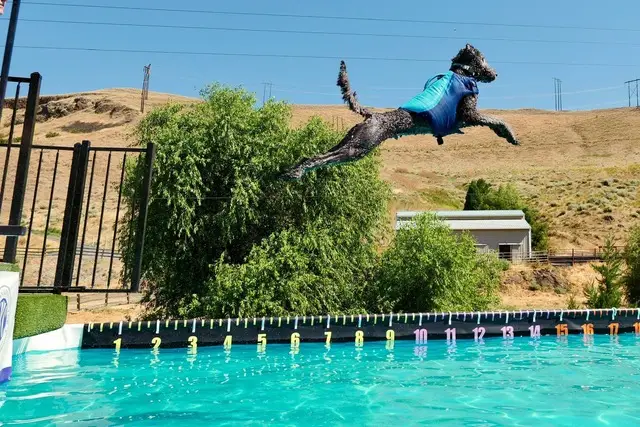
Cassie’s work through Snake River Four Paws and the Four Paws Foundation reaches beyond the dogs she helps in rescue. Between training, boarding, daycare, and her involvement with therapy dogs, she’s built her life around working with animals and the people who care for them.
Yet what stands out to us is her willingness to share that experience when rescue dogs need it.
Animal welfare depends on people like Cassie, along with veterinarians, farriers, foster families, transport volunteers, shelter staff, behavior specialists, and countless others whose work happens long after the initial rescue.
They’re not always the people holding the animal in the first photograph. They may never appear in a news story. Sometimes the public doesn’t even know they were involved.
But they’re often the reason an animal has a chance at a different future.
When we asked Cassie what she wished the public understood about the people working behind the scenes to rehabilitate and rehome rescue animals, she told us:
“That it’s never easy! It requires a village, and it most importantly requires people with experience and a true understanding of what they’re dealing with.”
That’s exactly why we’re starting this series.
We want to introduce our community to the people who show up for animals in ways that aren’t always visible. The people who share their knowledge, give their time, take on difficult cases, and continue helping long after everyone else has moved on to the next rescue story.
Cassie is one of those people, and we’re grateful she’s been part of our village.
We ended our interview by asking what she wishes people could see in the IARN dogs she’s met at their most vulnerable. What isn’t obvious from an adoption photo, a behavioral evaluation, or a description of everything they’ve been through?
Her response may be our favorite of the entire interview.
“That some of those dogs are healing from some of the most unimaginable experiences, and they’re still willing to give US a shot! It’s our opportunity to screw up, not theirs.”
We couldn’t think of a better way to close our first Unsung Rescue Heroes feature.
Thank you, Cassie, for the work you do, for the dogs you’ve helped, and for being willing to take on the cases that require a little more patience, understanding, and experience.
We’re proud to recognize Cassie Frary as our first Idaho Unsung Rescue Hero.
Idaho’s Unsung Rescue Heroes is a series by Idaho Animal Rescue Network celebrating the people, businesses, and programs whose work helps animals long after the rescue itself. Have someone in mind who deserves recognition? We’d love to hear about them.