
When Rescue Stops Being Rescue: Why We Are Warning the Public About Idaho Mastiff Rescue
IARN details its firsthand experience with Idaho Mastiff Rescue, Shorty's case, public records involving interstate transport, and continuing concerns reported by fosters and adopters.
Download PDF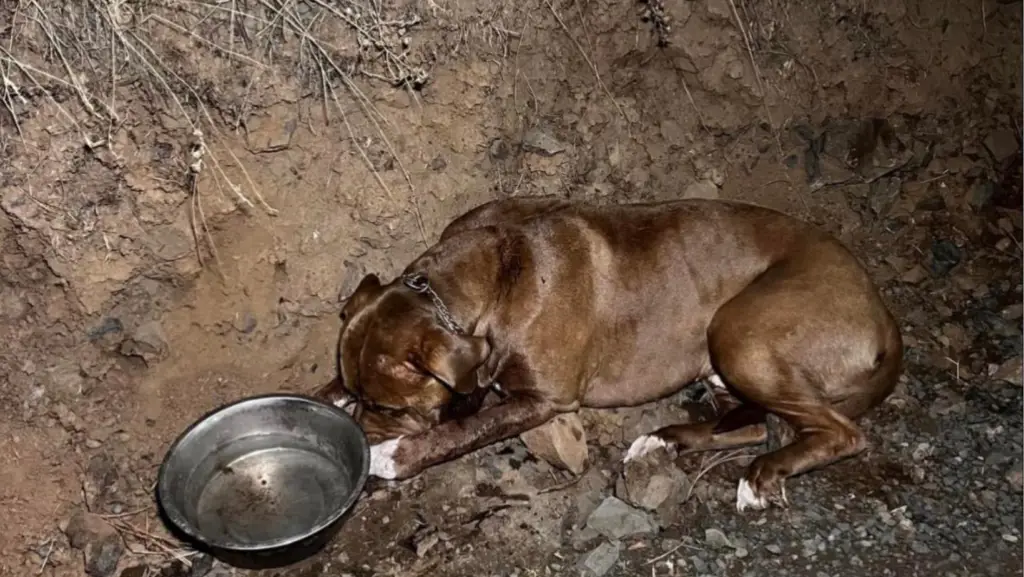
Animal rescue is built on trust. Donors trust that the money they give is being used for the animals they are told it will help. Foster families trust that a rescue will be honest about the dogs being placed in their homes and will support them when problems arise. Adopters trust that they are receiving accurate information about an animal’s medical and behavioral history. Most importantly, the animals themselves depend entirely on the people making decisions on their behalf.
When that trust breaks down, the consequences can extend far beyond a disappointing adoption experience. Animals can be injured or killed, other pets can be put at risk, and foster families and adopters can find themselves in situations they were never prepared to handle. Children, elderly people and other vulnerable individuals can also be exposed to risks that responsible evaluation, honest disclosure and careful placement practices are intended to reduce.
For Idaho Animal Rescue Network, our concerns about Idaho Mastiff Rescue and its director, Tannya Cluff, did not begin with social media rumors, competition between rescue organizations or complaints sent to us by strangers. They began with our own firsthand experience and a dog named Shorty.
Shorty: Our Firsthand Experience
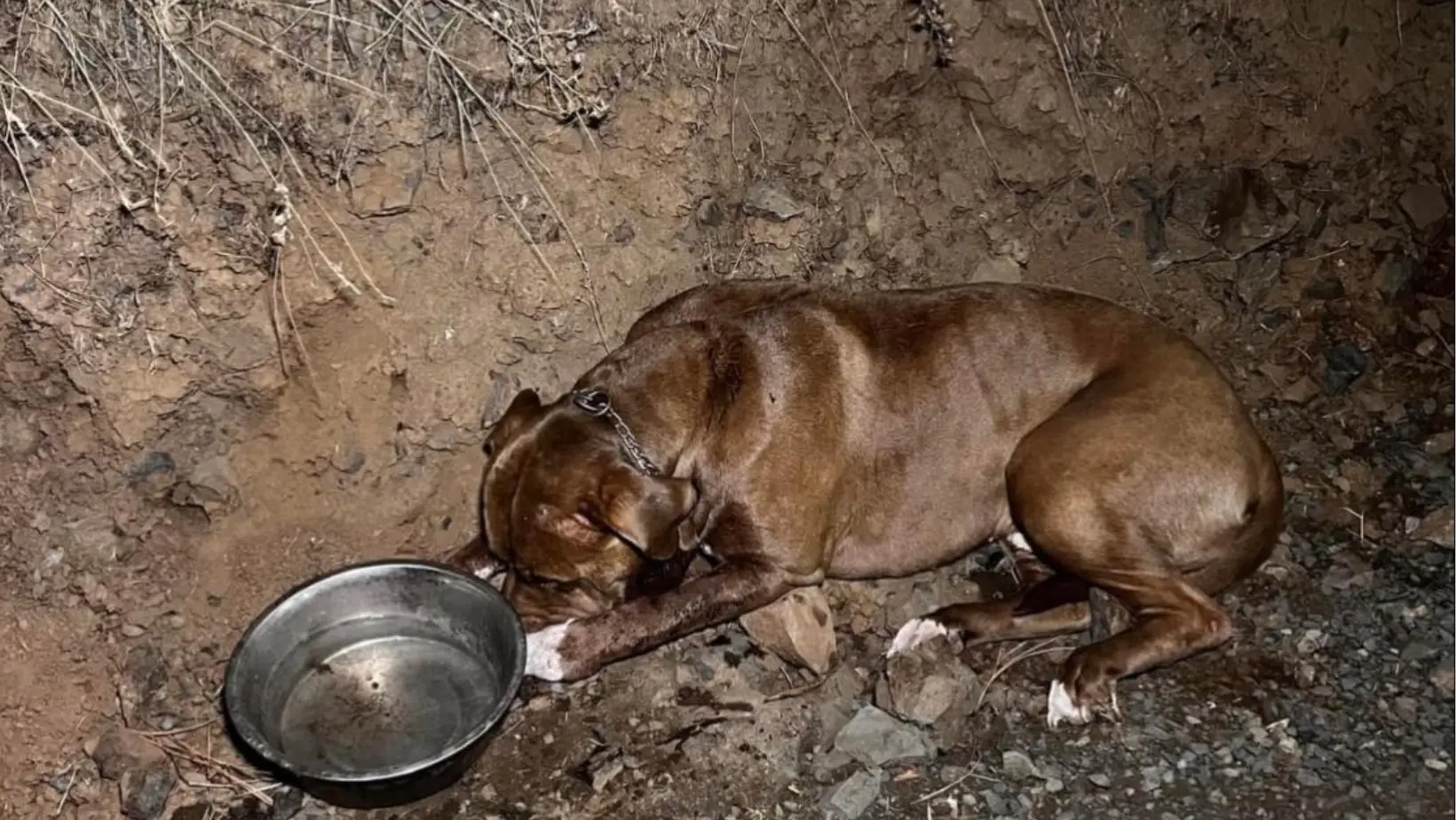
On October 5, 2022, Shorty was in a foster home in Nez Perce County after being placed through Idaho Mastiff Rescue. Tannya Cluff had never met Shorty, had not personally evaluated him and had not adequately vetted the foster placement before sending him there.
An altercation eventually occurred between Shorty and another unneutered male dog living in the home. Following that incident, Tannya Cluff made the decision that Shorty should be euthanized and instructed the foster accordingly.
What followed nearly killed him. An attempt was made to kill Shorty by shooting him, but Shorty survived and escaped into the woods injured. He remained missing for two days before strangers eventually found him. By then, he had broken teeth, damage to his palate, a bullet lodged in his jowl and a serious infection that required veterinary treatment.
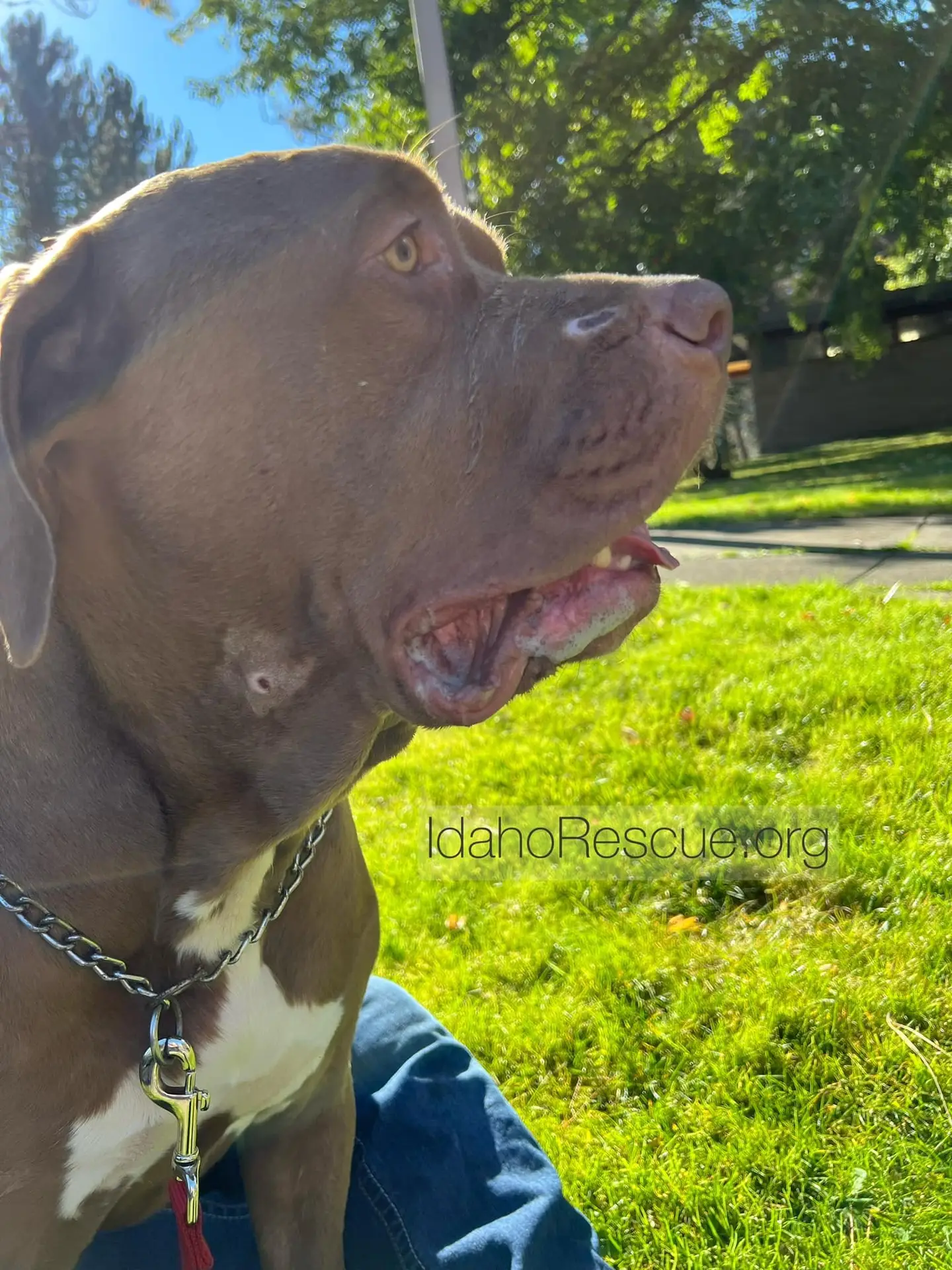
That is when Idaho Animal Rescue Network became directly involved. This distinction is important because Shorty’s story is not a complaint someone brought to us years later, something we heard through the rescue grapevine or an allegation pulled from social media. We communicated directly with the people involved, communicated with Idaho Mastiff Rescue, dealt with the aftermath and ultimately assumed responsibility for Shorty’s care when Idaho Mastiff Rescue did not.
There is also a substantial record surrounding what happened. Documentation includes records from the Nez Perce County Sheriff’s Office and Southway Animal Clinic, in addition to IARN’s own records from our direct involvement, including emails, text messages and other communications.
Shorty survived and went on to live the life he deserved, but none of what happened to him should have happened in the first place. His case showed us exactly what can happen when placing a dog takes precedence over properly evaluating the dog, properly evaluating the home and remaining accountable when something goes wrong.
Years Later, the Complaints Keep Coming
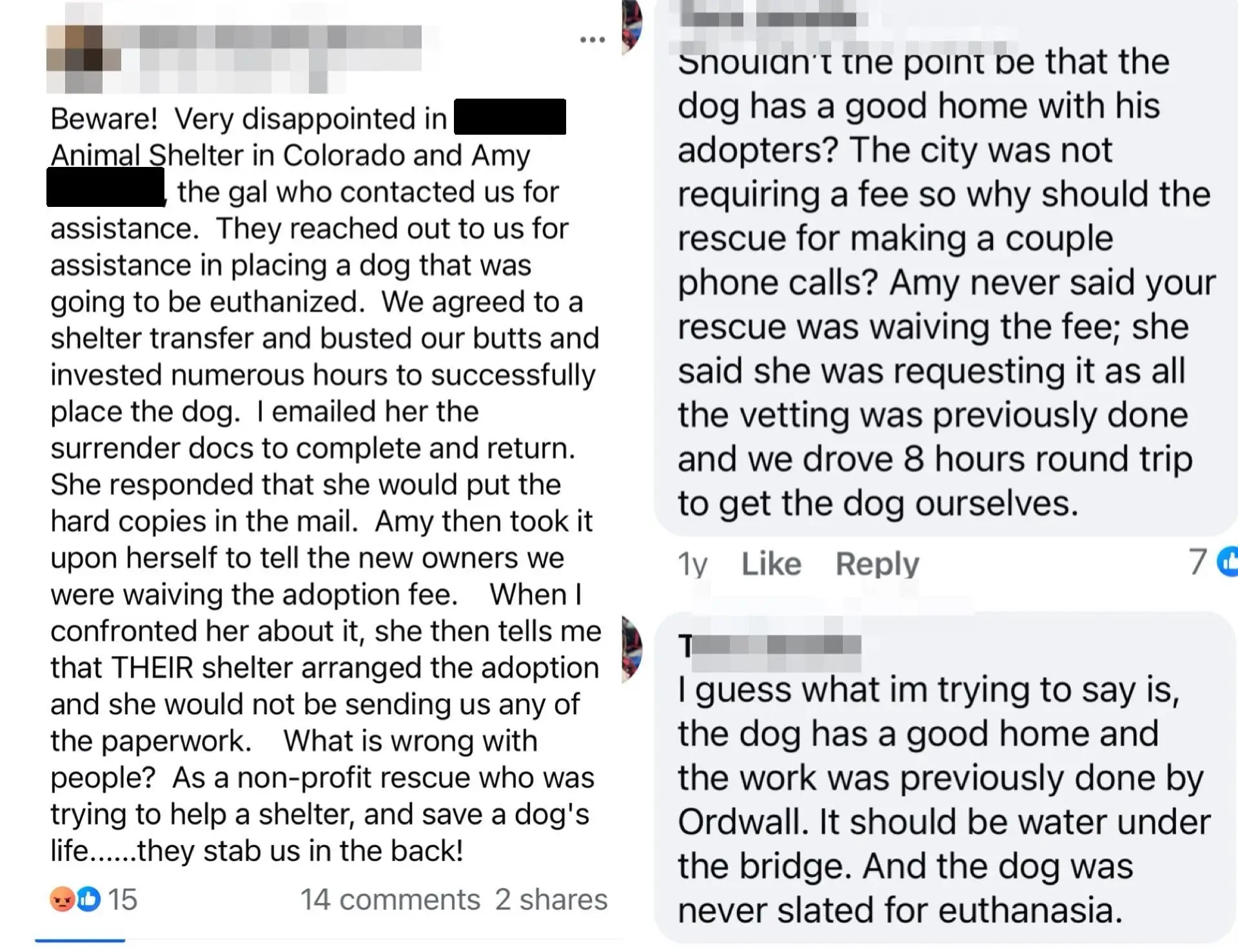
In the years since Shorty’s case, individuals have continued contacting IARN about their own experiences with Idaho Mastiff Rescue and Tannya Cluff. Their individual stories differ, but many of the concerns have become increasingly familiar.
We have heard concerns about dogs not receiving appropriate veterinary care before placement. Adopters have reported paying substantial adoption fees and then being responsible for spay or neuter surgery, vaccinations or other routine veterinary care themselves. We have received concerns about foster and adoptive homes not being appropriately screened and dogs being placed into environments that were poorly suited to their individual needs.
We make an important distinction between these reports and Shorty’s case. Shorty involved IARN directly. When another person contacts us about an experience we did not personally witness, we treat that account as a report unless documentation or other evidence independently establishes what occurred. At the same time, repeated concerns involving similar practices cannot simply be ignored because they involve another rescue, particularly when they point back to the same fundamental problems we experienced firsthand.
A Bad Placement Can Endanger More Than the Dog
Responsible rescue is not about finding anyone willing to take an animal. It is about doing everything reasonably possible to determine whether a particular animal and a particular home are appropriate for one another. A dog can be wonderful and still be completely wrong for a specific household. Other dogs, cats, livestock, children, fencing, lifestyle, physical ability and the experience of the people in the home must all be considered. The same is true of prey drive, resource guarding, reactivity, fear, bite history and countless other behavioral considerations.
No rescue can predict every behavior, and no temperament test or foster evaluation can guarantee what an animal will do in every future situation. We certainly cannot. That uncertainty is precisely why responsible screening and honest disclosure are so important.
When a rescue does not adequately evaluate an animal or the environment where that animal is being sent, it is not merely risking an unsuccessful adoption. Another animal can be injured or killed. An adult can be injured. A child, elderly person or another vulnerable individual can be placed in a situation they were never prepared or equipped to manage. When everything falls apart, the dog frequently pays the highest price through repeated returns, another shelter intake, worsening behavior or, in the most serious cases, euthanasia.
Shorty showed us just how catastrophic those consequences can become. Responsible rescue is not about finding a home. It is about doing the work necessary to find an appropriate home, while being honest with the people opening their doors about the animal they are bringing inside.
Moving Dogs Is Not the Same as Rescuing Them
Our concerns with Idaho Mastiff Rescue have not been limited to Shorty’s placement. We have also documented situations in which Idaho Mastiff Rescue promoted dogs that were not actually in its physical care.
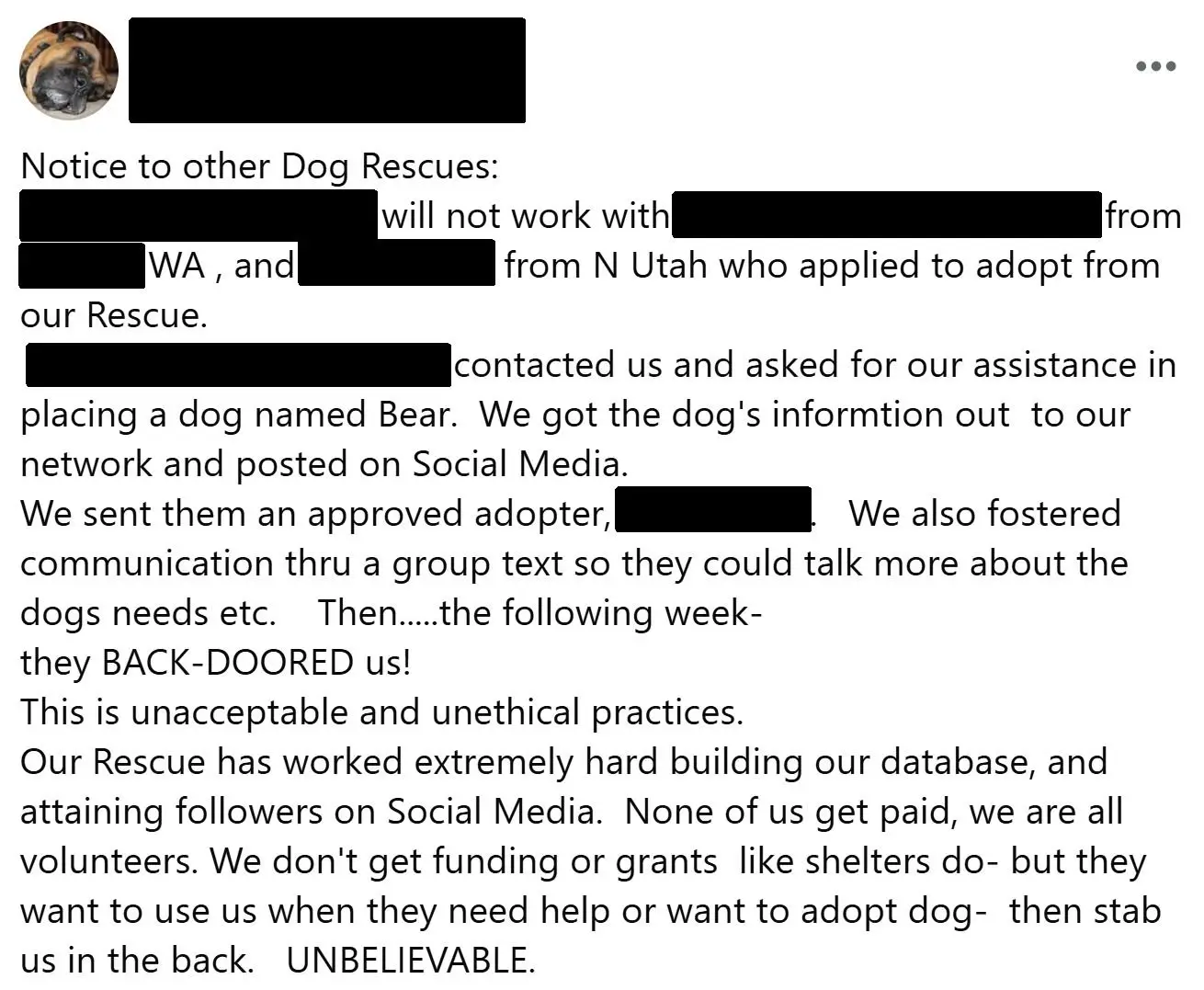
In one instance, a rescue in Washington was caring for a dog and looking for an appropriate home. Idaho Mastiff Rescue promoted the dog, but when a potential adopter connected directly with the organization actually caring for the animal and arranged the adoption through that organization, Idaho Mastiff Rescue demanded a $400 adoption fee.
Idaho Mastiff Rescue had not physically cared for the dog, had not provided its veterinary treatment and had not incurred the normal costs associated with caring for that animal. When the adoption occurred directly through the rescue actually responsible for the dog, Idaho Mastiff Rescue publicly accused the organization of “backdooring” them.
We subsequently documented other dogs being promoted by Idaho Mastiff Rescue despite being located elsewhere, while prospective adopters were directed to Idaho Mastiff Rescue’s own adoption application. Situations like these raise an important question about what a rescue is actually providing between intake and adoption.
Legitimate animal rescue is expensive. Veterinary examinations, vaccinations, spay and neuter procedures, microchips, medications, diagnostics, emergency treatment, food, supplies, transportation and behavioral support all cost money. For many responsible rescues, adoption fees recover only a fraction of what has actually been spent on an animal.
An adoption fee, however, should represent more than moving a dog from one person to another. Rescue is supposed to add care between intake and adoption. A rescue should know as much as reasonably possible about the animal it is placing, provide appropriate veterinary care, honestly disclose known medical and behavioral concerns, screen foster and adoptive homes and make thoughtful placements. When something goes wrong, it should remain accountable for the animal it placed.
When the Dogs Started Coming From Farther Away
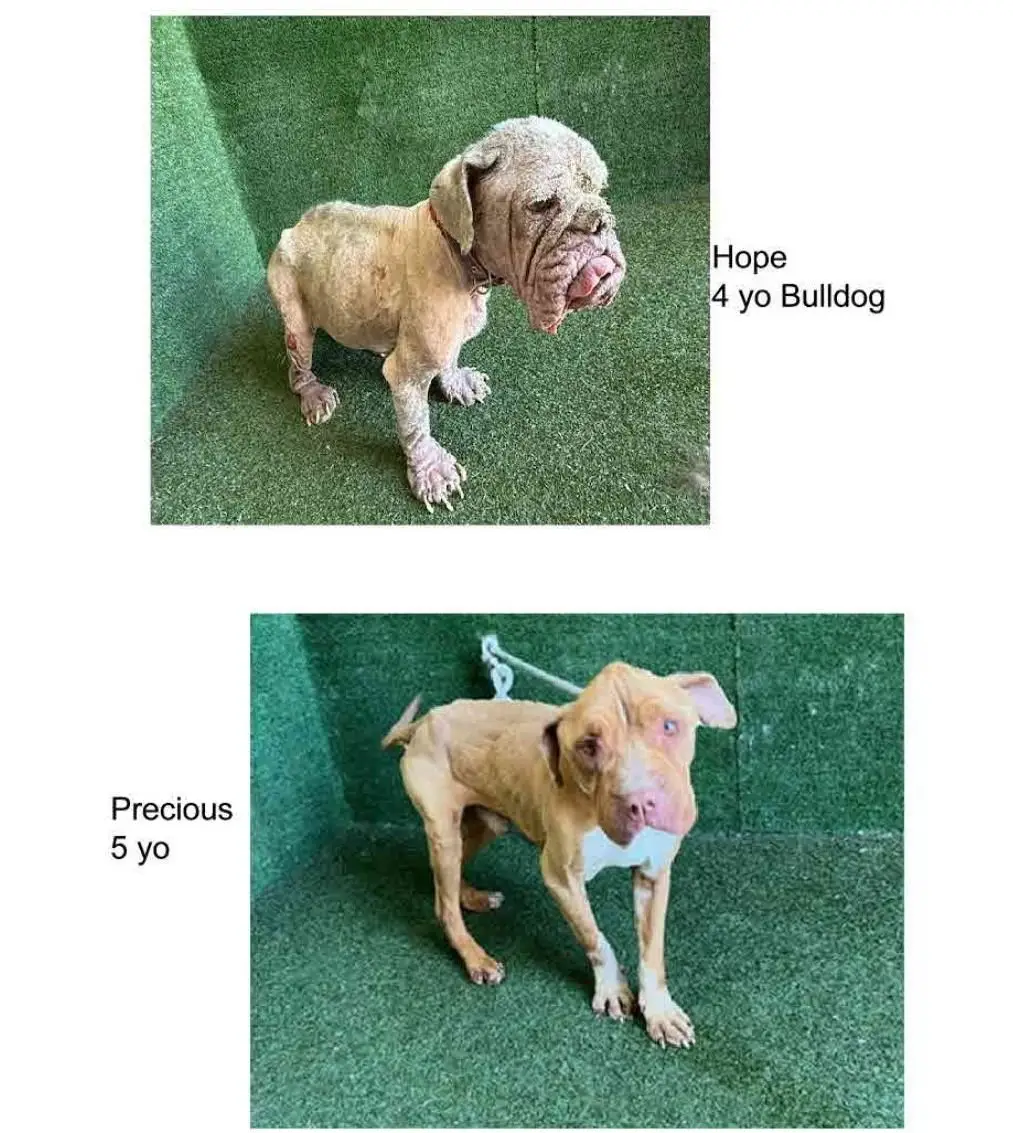
Idaho Mastiff Rescue’s activities eventually expanded beyond dogs available in Idaho and surrounding communities, with Tannya Cluff obtaining dogs from shelters outside Idaho, including California, and transporting them into the state.
There is nothing inherently wrong with interstate rescue transport. Responsible organizations across the country work together every day to move animals from overwhelmed shelters into communities where appropriate homes and resources are available. Interstate transport, however, comes with responsibilities.
Dogs cannot simply be loaded into vehicles and moved across state lines without regard for animal-health requirements. Veterinary examinations, health documentation and state import requirements exist to protect the animals being transported as well as animals already living in the communities where those dogs arrive.
In the case of Idaho Mastiff Rescue, our concerns about interstate transport are not based solely on reports made to IARN. Through public-records requests, we obtained agency records confirming multiple concerns involving dogs associated with Idaho Mastiff Rescue being brought into Idaho without required health documentation. Those records also document concerns involving sick dogs transported into the state.
The records include information obtained through the Idaho State Department of Agriculture and other agencies involved in animal health and interstate transport oversight. These requirements are not meaningless paperwork designed to inconvenience rescue organizations. Moving sick animals without appropriate veterinary evaluation and required health documentation can potentially expose foster animals, adopters’ pets, transport volunteers, veterinary clinics and other animals encountered during and after transport.
A responsible rescue should know whether an animal is healthy enough to travel, understand and comply with the import requirements of the destination state, obtain required veterinary documentation and have an appropriate plan for the animal when it arrives. It should also be prepared to provide veterinary care when an animal arrives sick. Those responsibilities begin before the transport vehicle ever leaves.
Pulling a dog from a California shelter and driving it to Idaho may increase the number of animals an organization can say it has “saved,” but miles traveled and animals moved mean very little if the responsibilities accompanying those transports are ignored. Rescue should be measured by the care and responsibility accepted for an animal before, during and after that journey.
Adoption Fees, Veterinary Expenses and Financial Transparency
Another recurring concern involves money and financial transparency. People have contacted IARN with concerns about substantial adoption fees while adopters are still expected to pay for spay or neuter procedures, vaccinations or other routine veterinary expenses. We have also received concerns involving amounts represented as veterinary or transportation expenses without corresponding receipts or invoices being provided to substantiate those amounts.
There are legitimate circumstances where an animal may be placed before every medical procedure is complete. A puppy may be too young to safely alter, a veterinarian may recommend delaying surgery because of a medical condition, or an emergency placement may require an unusual arrangement. Those situations happen in legitimate rescue, but they should be handled with veterinary guidance, clear agreements and transparency.
The larger principle is simple: when money is being collected in the name of animal rescue, there should be accountability for that money. If the public is told that a particular dog needs a specific amount for veterinary treatment, asking to see the veterinary invoice is reasonable. If donors are asked to cover transportation expenses, asking how those expenses were calculated is reasonable. If an adopter pays hundreds of dollars to adopt a dog, asking what veterinary care has already been provided and what expenses remain is reasonable.
Receipts, veterinary invoices and transport records provide that accountability. Asking for documentation is not an attack on rescue. A 501(c)(3) designation is not a seal of approval for every practice of an organization, and nonprofit status does not automatically establish that an organization provides quality animal care, responsibly places animals or operates with financial transparency. Donors and adopters should ask questions, and organizations asking the public for money should be prepared to answer them.
Rescue Is Not About the Number
There is enormous pressure in animal rescue to focus on numbers. How many dogs were pulled, transported, adopted or “saved” makes compelling social media content, but those numbers tell us very little about the quality of the rescue work behind them.
Moving a large number of dogs is not a success if appropriate veterinary care is being skipped. A transport is not automatically a rescue because an animal crossed a state line, and an adoption is not successful simply because an adoption fee was collected and the dog left. The rescue’s responsibility does not end at placement; the animal’s welfare and the safety of the receiving household must remain priorities.
A rescue has an obligation to consider not only whether someone is willing to take a dog, but whether that placement is reasonably appropriate and safe. That responsibility becomes even more important when there are known behavioral concerns or when a household includes children or other vulnerable individuals. A poorly considered placement can create victims on both ends of the leash, and when the placement fails, another rescue, shelter, veterinary clinic, animal-control agency or family is often left dealing with the consequences.
No Rescue Is Perfect, Including Us
No rescue is perfect. Idaho Animal Rescue Network certainly isn’t, and we would never pretend otherwise. In fact, one of the things years of rescue work has taught us is that we learn something new with every rescue. Every animal, every foster home, every medical case and every placement teaches us something. Sometimes those lessons come from incredible successes. Sometimes they come from decisions we wish we had made differently.
Placements fail despite everyone’s best efforts. Previously unknown medical conditions appear. Dogs behave differently once they leave a shelter or foster home. Adopters sometimes provide incomplete information. Animals surprise us, and even thoughtful, experienced people can make the wrong call. Responsible rescue is not about never making a mistake. It is about what you do with what that mistake teaches you.
When something goes wrong, do you answer the phone and take responsibility for the animal you placed? Do you support the foster or adopter rather than blame them? Do you look critically at your own decision-making and ask what could have been done differently? Do you change your screening process, medical protocols or placement practices when an experience exposes a weakness? Most importantly, do you make sure the same preventable mistake does not simply keep happening to another animal and another family?
That is what accountability looks like to us. We have changed policies because animals taught us we needed to. We have changed procedures because fosters and adopters taught us we needed to. We have learned from veterinarians, trainers, law enforcement, other rescues and our own mistakes, and we expect that process to continue for as long as we do this work.
The concern arises when the same types of problems continue while responsibility for their consequences repeatedly lands somewhere else. For IARN, Shorty’s experience shows the consequences of failing to follow through. When everything went wrong, he ultimately became our responsibility. We provided the care and dealt with the aftermath, and fortunately, Shorty survived.
Why We Are Naming Idaho Mastiff Rescue and Tannya Cluff
There is an unwritten rule in some corners of animal rescue that organizations should not publicly criticize one another. When something concerning happens, rescues are often expected to quietly stop working together, stop making referrals and move on. We do not believe silence always protects animals.
Our concerns about Idaho Mastiff Rescue and its director, Tannya Cluff, began with something IARN experienced firsthand. Shorty’s case is supported by IARN’s records as well as records from the Nez Perce County Sheriff’s Office and Southway Animal Clinic. Since then, additional people have continued contacting us with concerns involving veterinary care, foster and adopter screening, placement decisions, adoption fees and financial transparency. Separately, records obtained through public-records requests have provided independent documentation regarding concerns with interstate transports and health-documentation requirements.
Those are different types of evidence, and we must be careful not to treat them as interchangeable. We will not call every complaint we receive a proven fact simply because someone tells us something happened. At the same time, we will not ignore repeated concerns when our own experience, independent records and continuing reports give us reason to keep asking questions.
That is why we encourage anyone considering fostering for, adopting from or donating to Idaho Mastiff Rescue to do their homework. Ask to see veterinary records. Find out whether the dog has been vaccinated, altered and microchipped. Ask what the adoption fee actually covers and what medical expenses you will be responsible for afterward. Ask what is known about the dog’s behavioral history and how that information was obtained. Ask how foster and adoptive homes are screened and what happens if a placement fails. When money is requested for a particular veterinary bill or transportation expense, ask for documentation.
Those are reasonable questions to ask any rescue, including Idaho Animal Rescue Network. Responsible rescue organizations should welcome informed fosters, adopters and donors.
Rescue Has to Mean More
This is not about competition between rescues. There are far more animals needing help than responsible organizations could possibly accommodate, and good rescue depends on collaboration between shelters, rescues, foster homes, adopters, veterinarians, transporters, donors, trainers and law enforcement. But collaboration cannot require silence when animals or people may be put at risk.
Animal advocates cannot demand accountability from pet owners, breeders, shelters and government agencies while refusing to examine practices within our own rescue community. Sometimes protecting animals means being willing to have uncomfortable conversations about what is happening under the banner of “rescue.”
For Idaho Animal Rescue Network, that responsibility will always have a face. His name is Shorty. He survived being shot, survived two days injured and alone in the woods, and survived the injuries and infection that followed. After Idaho Mastiff Rescue failed him, other people stepped in and gave him the care he needed. His story is one reason we will not look away simply because the organization involved calls itself a rescue.
Moving a dog is not the same as rescuing a dog. Rescue means accepting responsibility for that animal’s health, safety and placement, while remaining accountable to the foster who opens their home, the adopter who trusts what they are being told, the donor who helps pay the bills and the community that may ultimately deal with the consequences of a bad decision. Most importantly, rescue means remaining accountable to the animal.
That is what the word rescue should mean.